FLUENTLY PROJECT

MEM and the Fluently Project
A Vision for Electric Mobility in Malta
MEM is proud to be part of the Horizon Europe project Fluently, which brings together a diverse consortium to shape the future of local, sustainable vehicle manufacturing across Europe. As part of this initiative, MEM has developed a comprehensive study and a compelling vision for a microfactory dedicated to producing electric vehicles (EVs) in Malta.
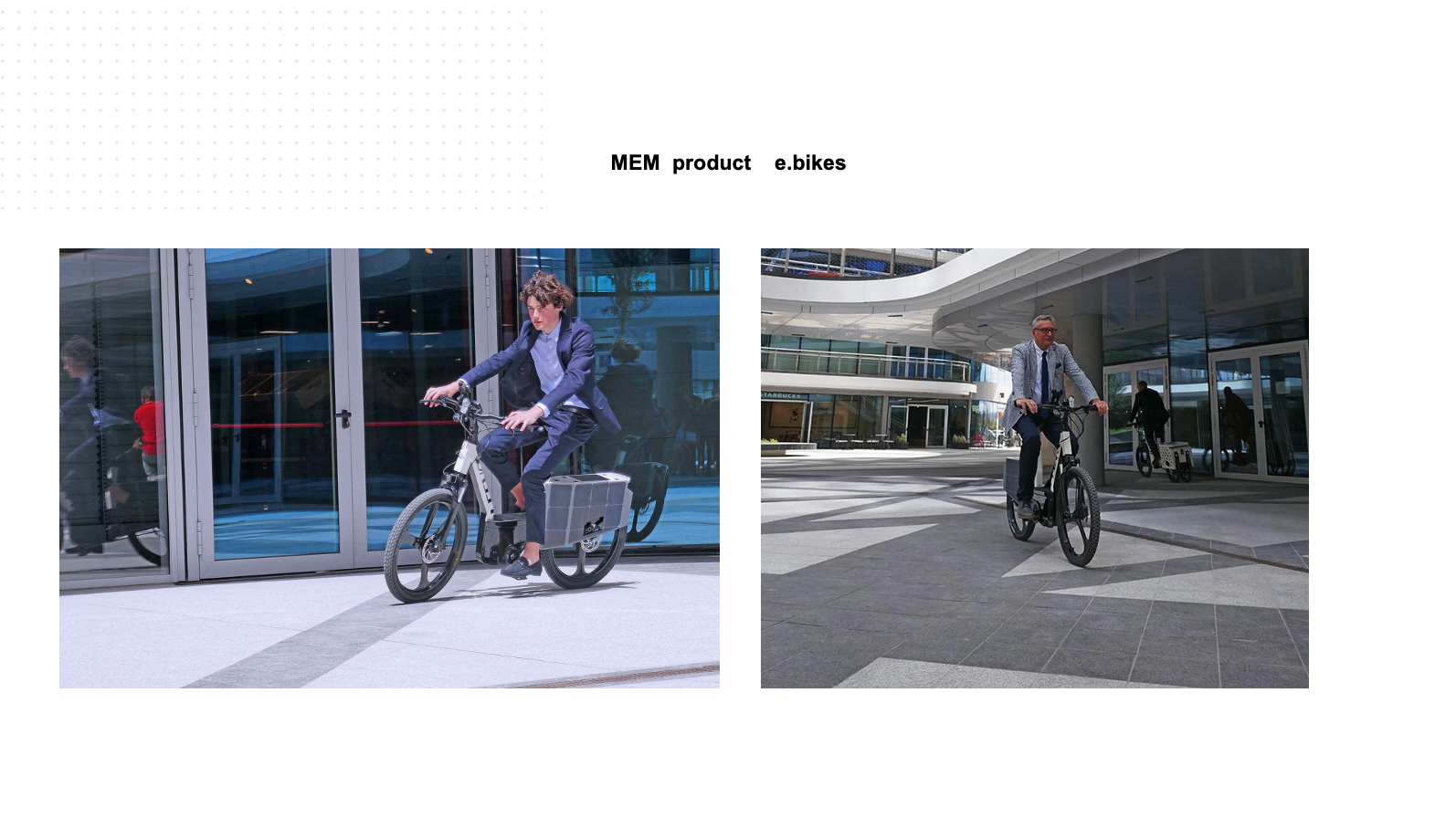
The video on this page showcases MEM’s concept: a low-investment, fully integrated production facility capable of manufacturing a wide range of electric vehicles tailored to the island’s needs. This includes urban electric cars, delivery vans, e-bikes, and cargo bikes, covering 2-, 3-, and 4-wheel configurations. The vehicles are designed with high-strength tubular steel frames, combining durability, safety, and cost-efficiency.
This microfactory model aligns with Malta's strategy to promote green, locally-made solutions and reduce reliance on imported vehicles. It demonstrates how small-scale, flexible production lines can support sustainable mobility, job creation, and industrial innovation on the island.
To support the development of this vision, MEM has applied for a specific grant to Malta Enterprise, reinforcing its commitment to establishing a pioneering hub for clean transportation technologies in Malta.
Learn more about the Fluently project at fluently-horizonproject.eu

FLUENTLY Training Initiative for Robotized Manufacturing of E-Bikes
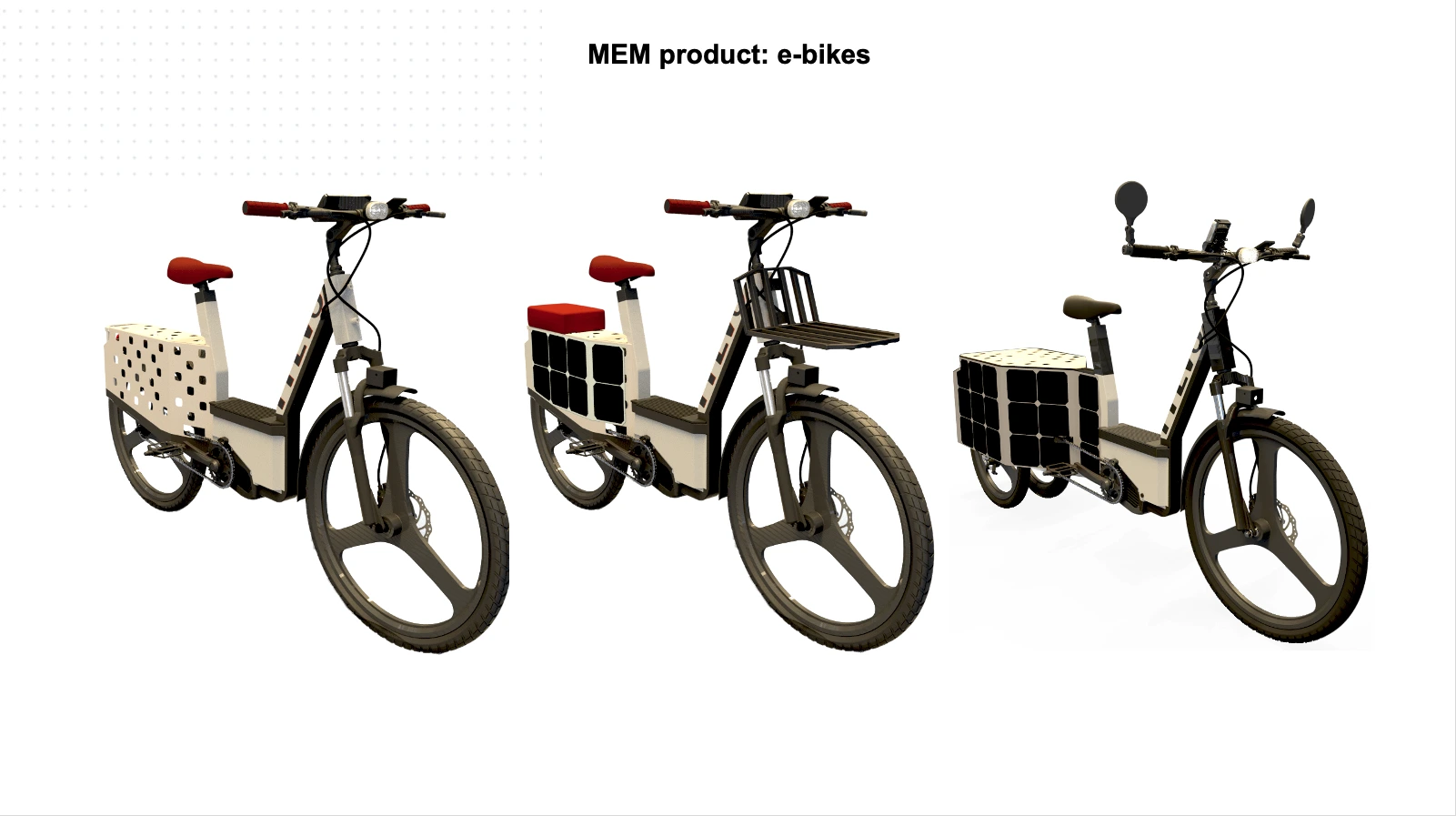
Through the Fluently initiative, MEM is dedicated to the strategic enhancement of human capital within Malta’s manufacturing sector. MEM has carefully studied and designed a specialized "Robotics and Industry 4.0" training laboratory to deliver targeted training in industrial robotics, with an initial focus on preparing individuals for roles specifically related to the robotic manufacturing of electric bikes (e-bikes).
The primary mission of the Fluently initiative is to establish a robust collaboration between Maltese educational institutions and local industry partners. This partnership ensures that trainees acquire the exact skills and competencies required for successful careers in Malta’s rapidly expanding electromobility sector.
Targeting graduates from Industrial Technical Institutes, the laboratory provides focused training to cultivate two distinct professional roles:
- Programmer 4.0
- Maintenance Technician 4.0
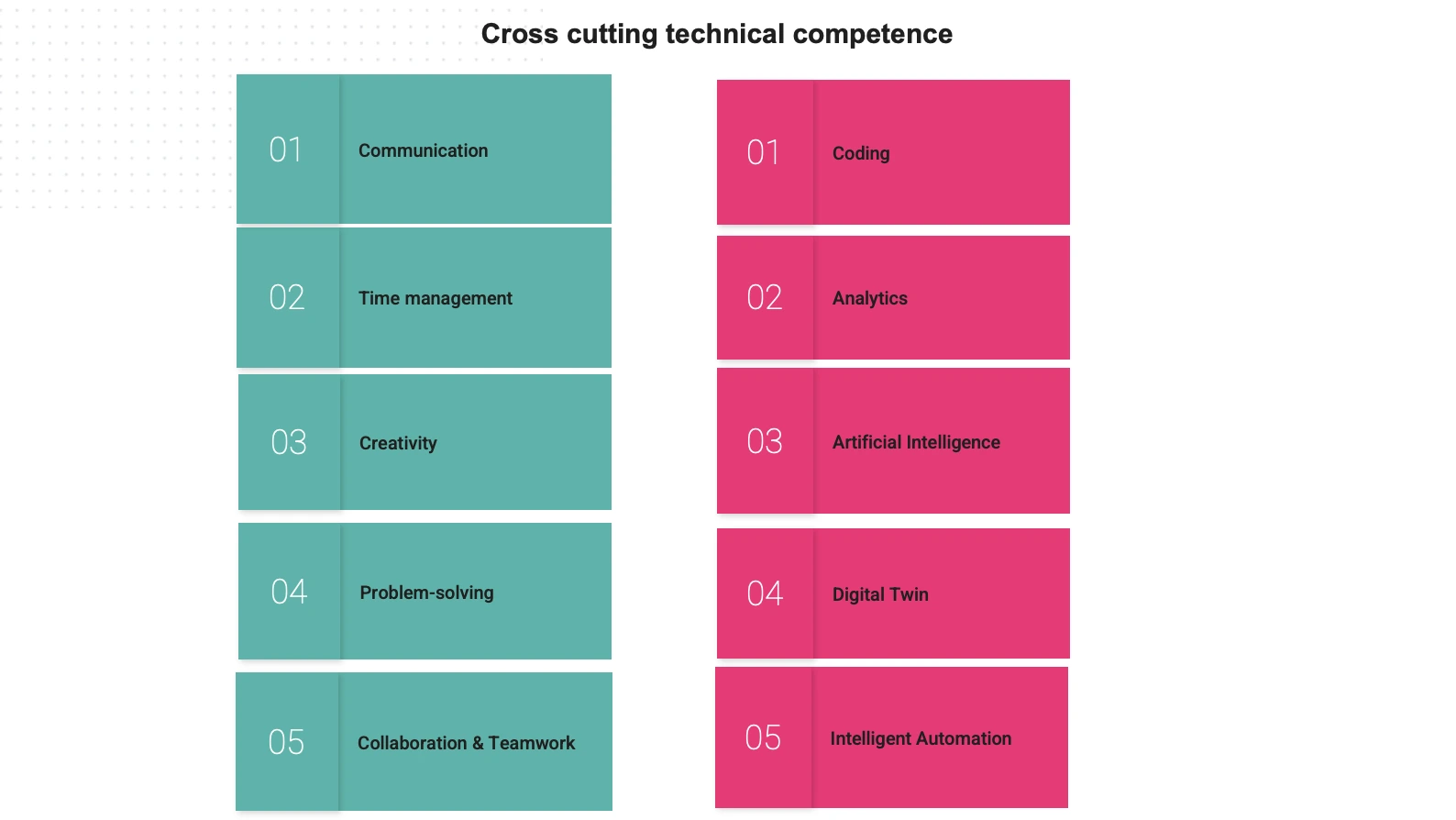
Training is centered around a "learning by doing" methodology, offering students practical, hands-on experience that closely mirrors real workplace scenarios. This approach effectively builds both technical abilities and crucial soft skills such as problem-solving, teamwork, and public speaking.
Beyond the immediate objective of equipping trainees with the skills needed for robotic e-bike manufacturing, the Fluently initiative seeks to bridge the gap between academic education and practical industry requirements. Through structured internships, specialized training modules, and industry-oriented events, MEM actively contributes to Malta’s socio-economic development. This approach positions human capital investment as a pivotal driver of local competitiveness and innovation.
To ensure the professional and effective implementation of the laboratory concept, MEM has formalized an agreement with COMAU, a global leader in advanced systems and products for industrial automation.
Specific Proposal for MEM Robotics and Industry 4.0 Training Laboratory for e-bike and battery packs production and reconditioning
Advancements in artificial intelligence and robotics are transforming manufacturing industries, offering significant opportunities for professional growth at all levels. As job roles rapidly evolve, there is a growing demand for new competencies, particularly among product designers, industrial automation system technicians, production operators, and maintenance technicians.
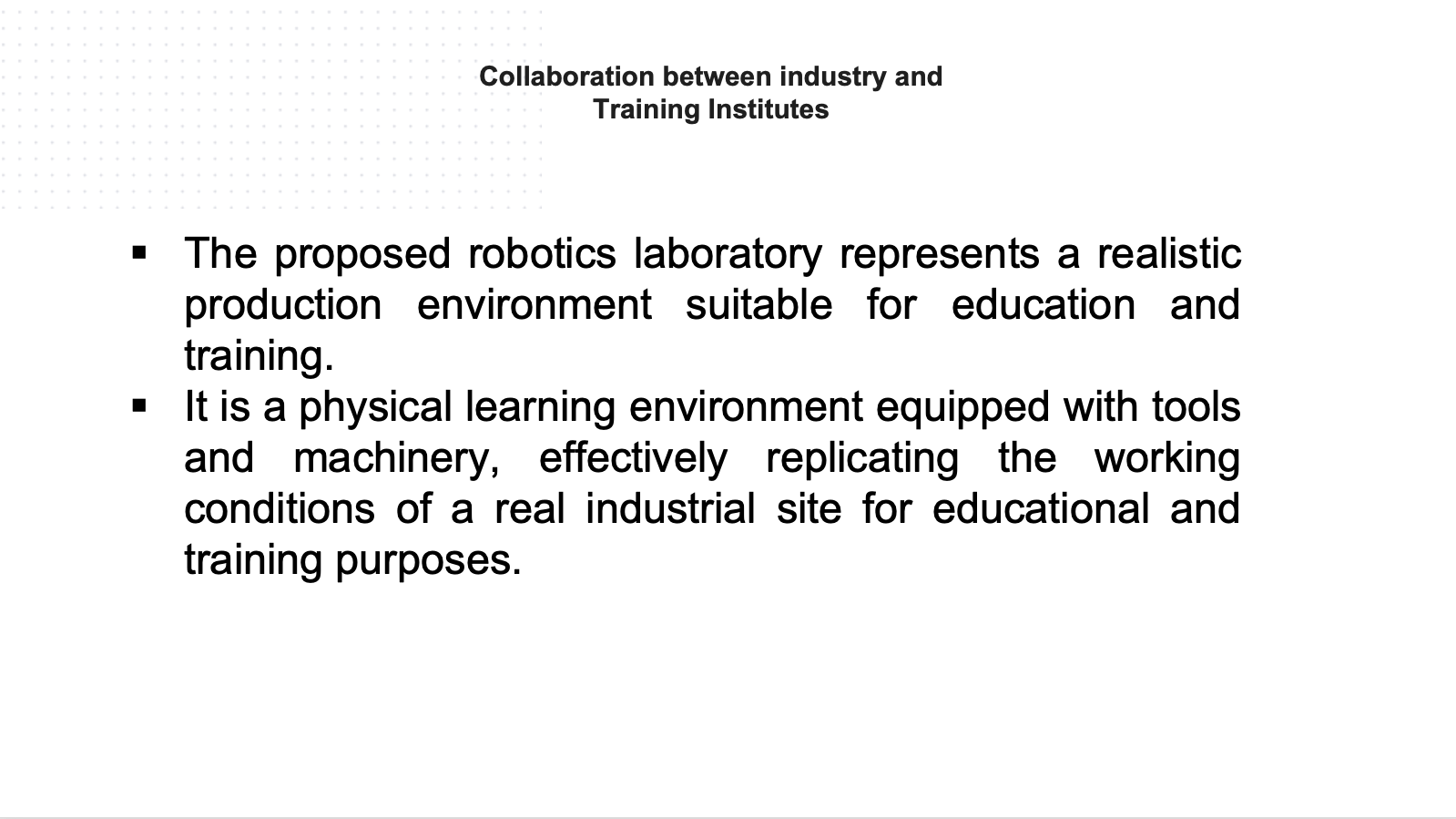
Responding to this transformation, MEM proposes establishing a dedicated Robotics and Industry 4.0 Training Laboratory. This facility will replicate an authentic production environment, equipped with advanced robotic systems, to deliver practical, industry-relevant training.
Purpose:
The proposed laboratory aims to:
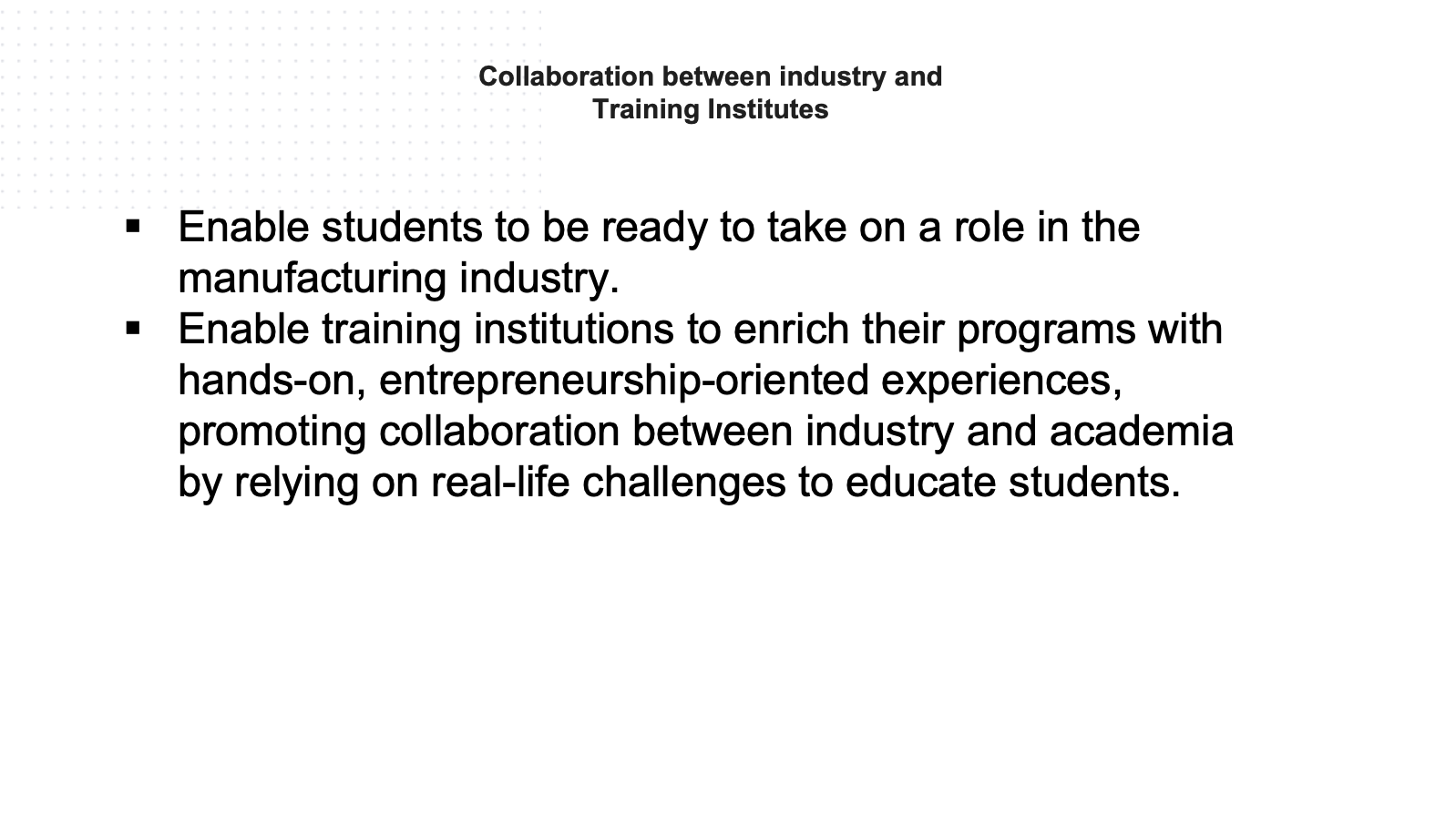
- Equip students and trainees for immediate employment in MEM’s e-bike manufacturing operations.
- Facilitate meaningful collaboration between Maltese educational institutions and local manufacturing companies.
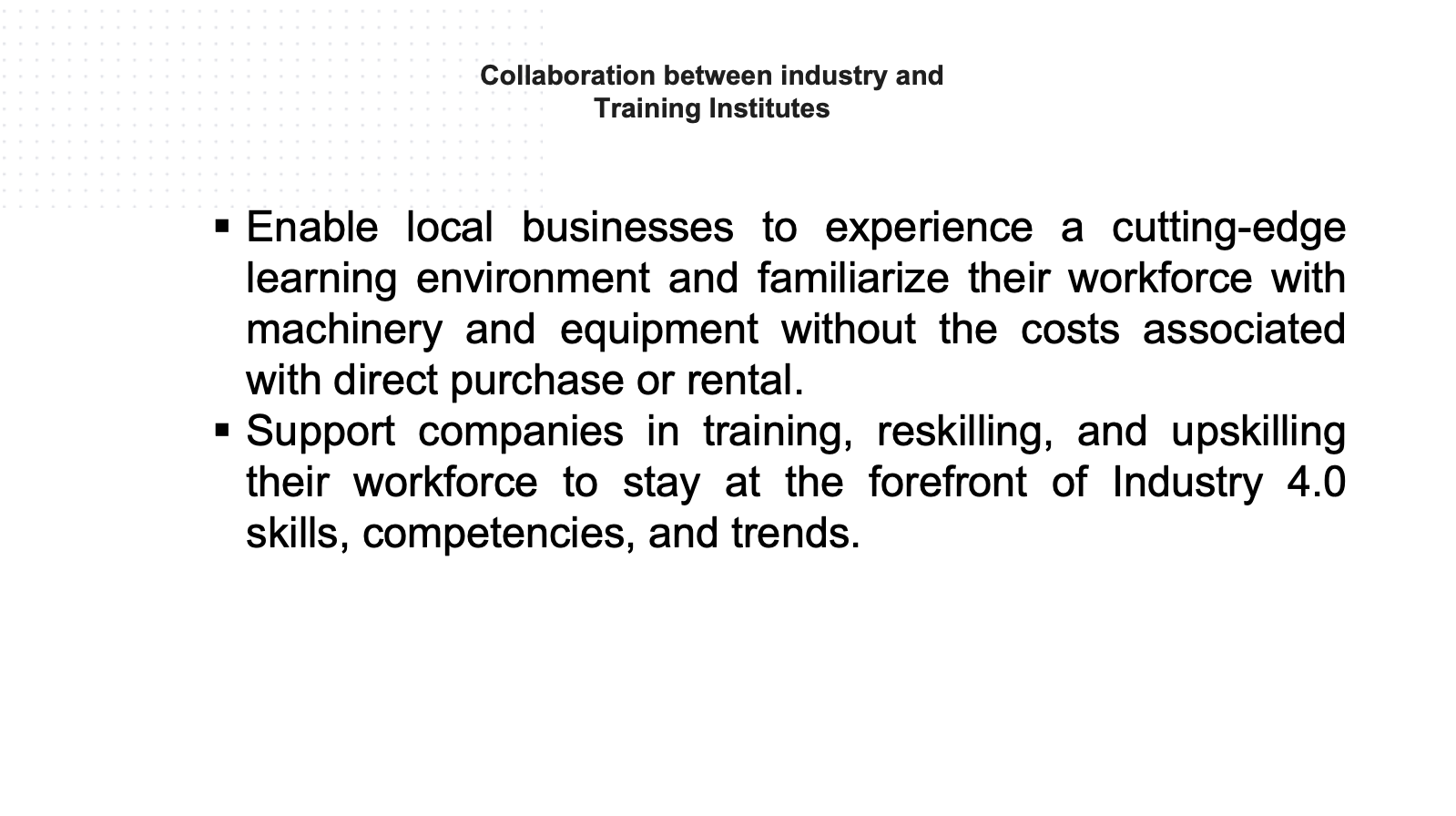
- Enable local businesses to upgrade employee skills in robotics without substantial capital investment.
- Foster practical and experiential learning, enhancing technical skills alongside soft skills like communication, teamwork, and problem-solving.
Training Modules:
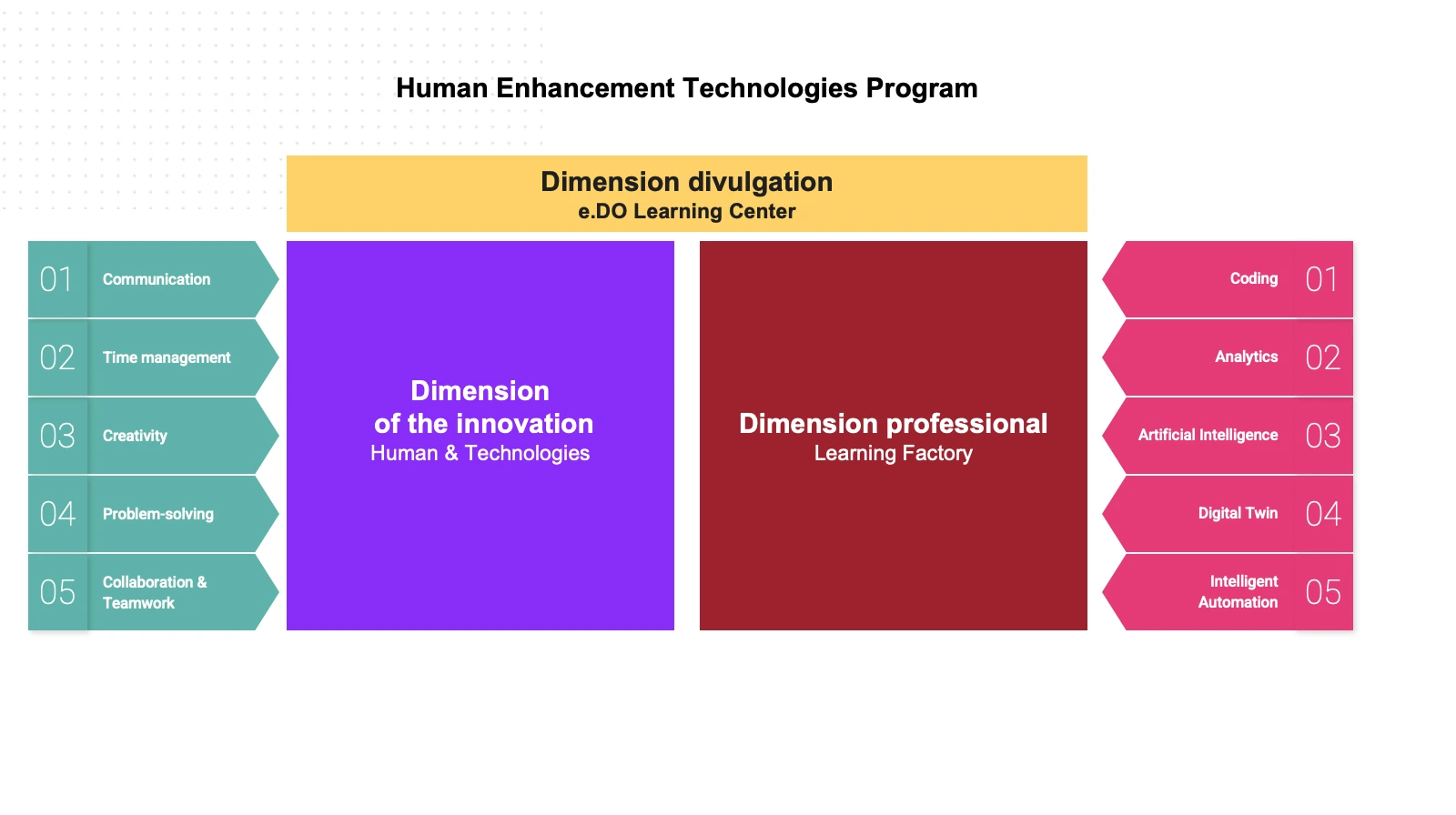
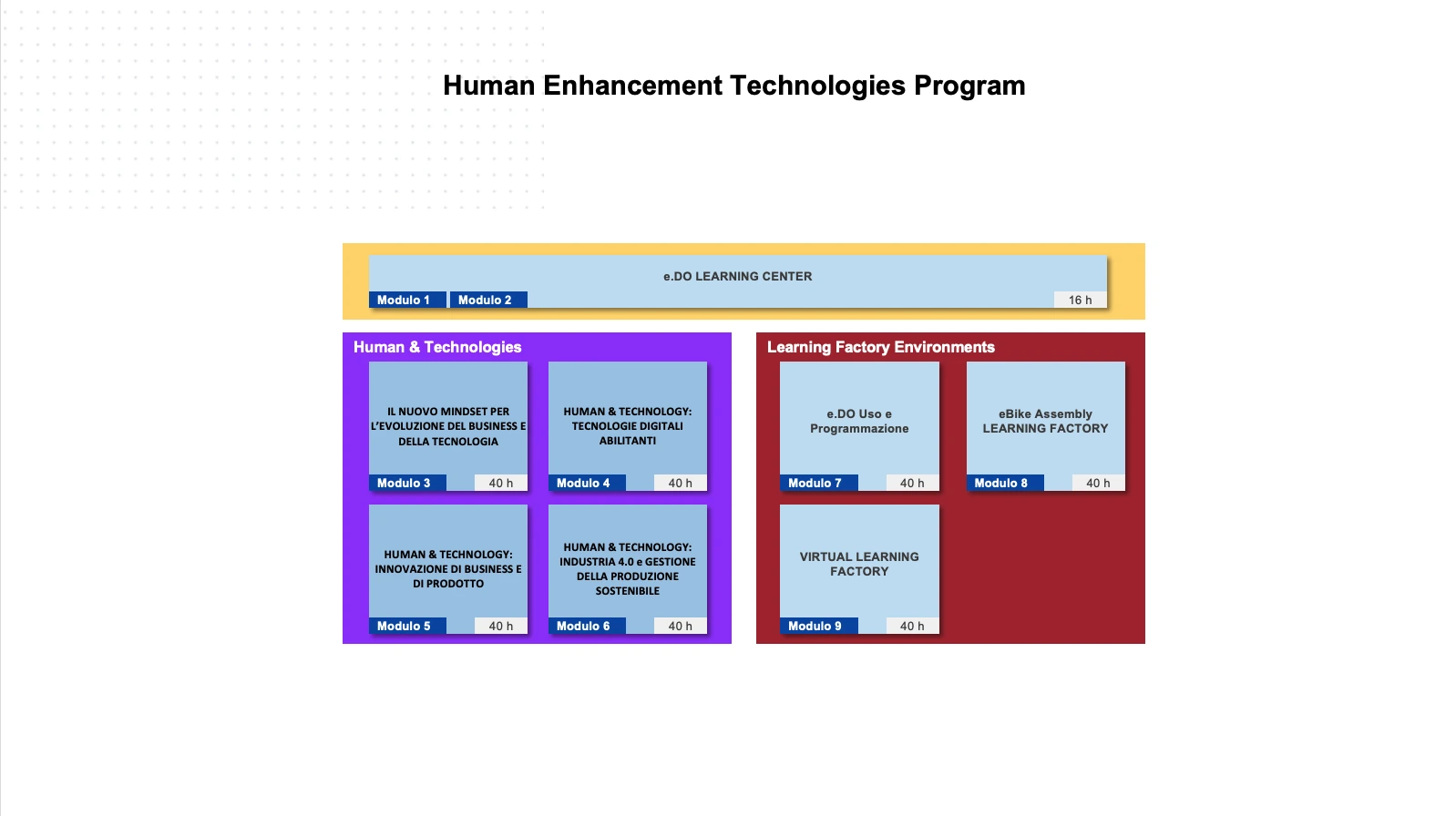
The laboratory will provide comprehensive modules:
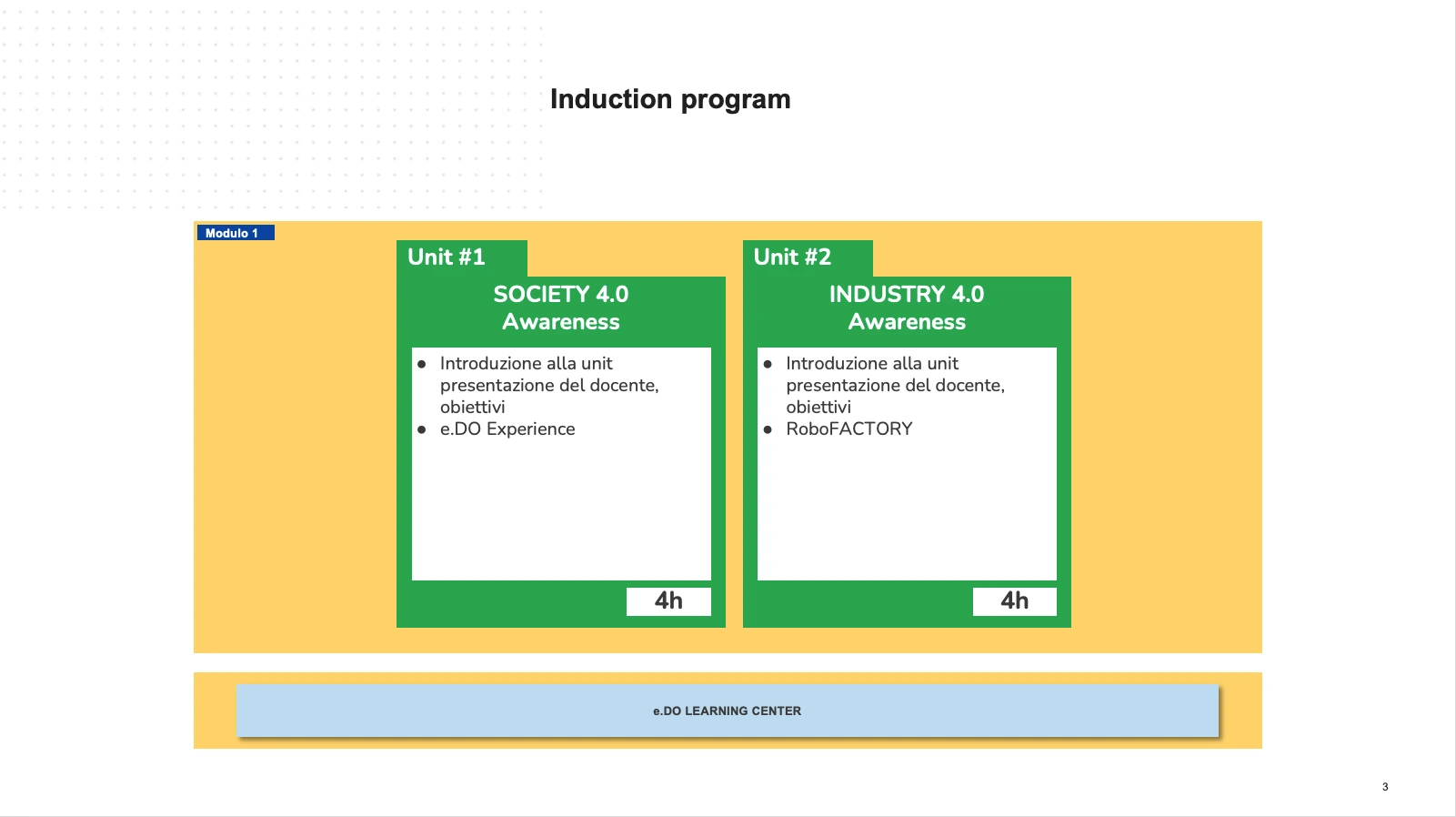
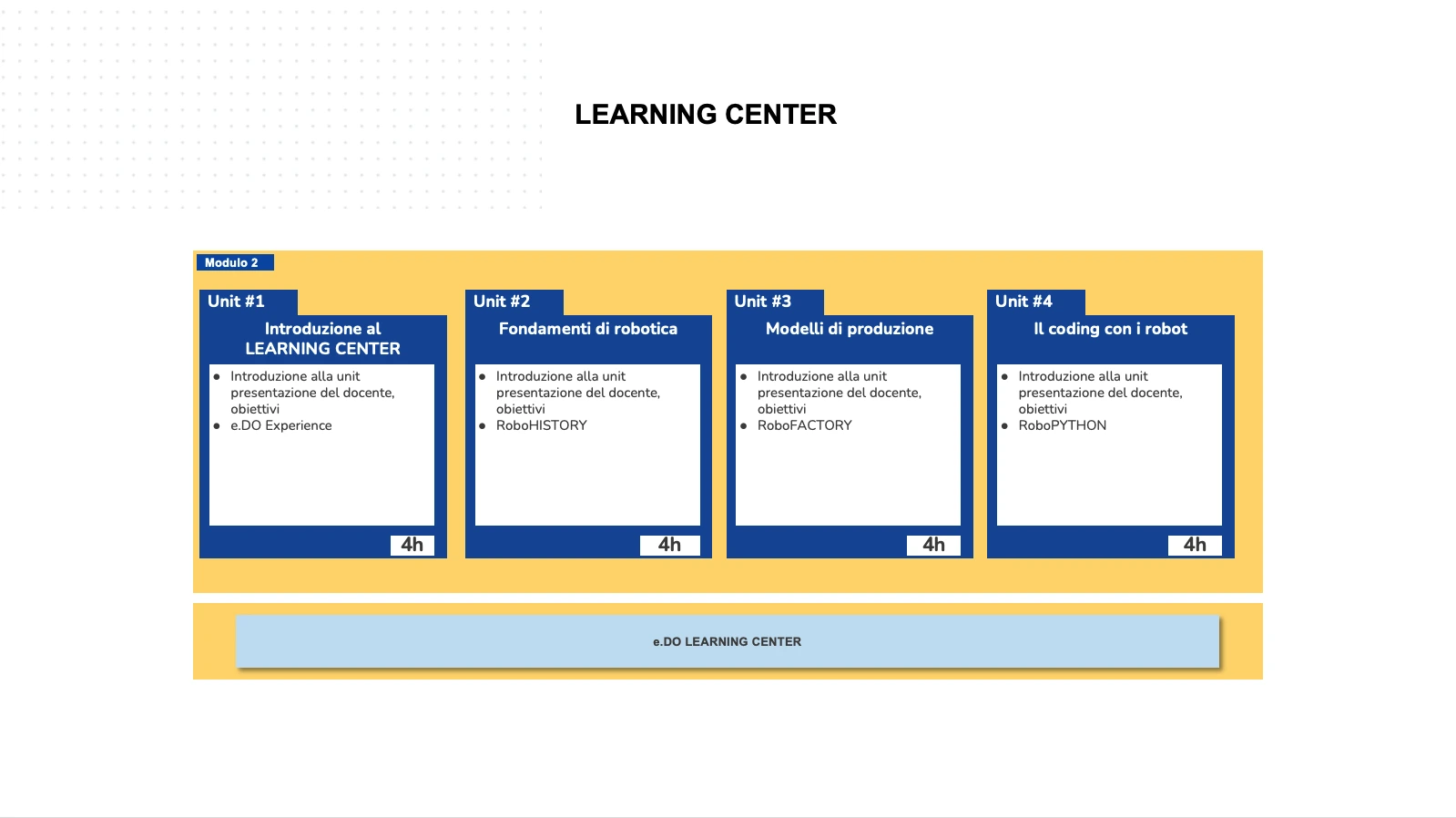
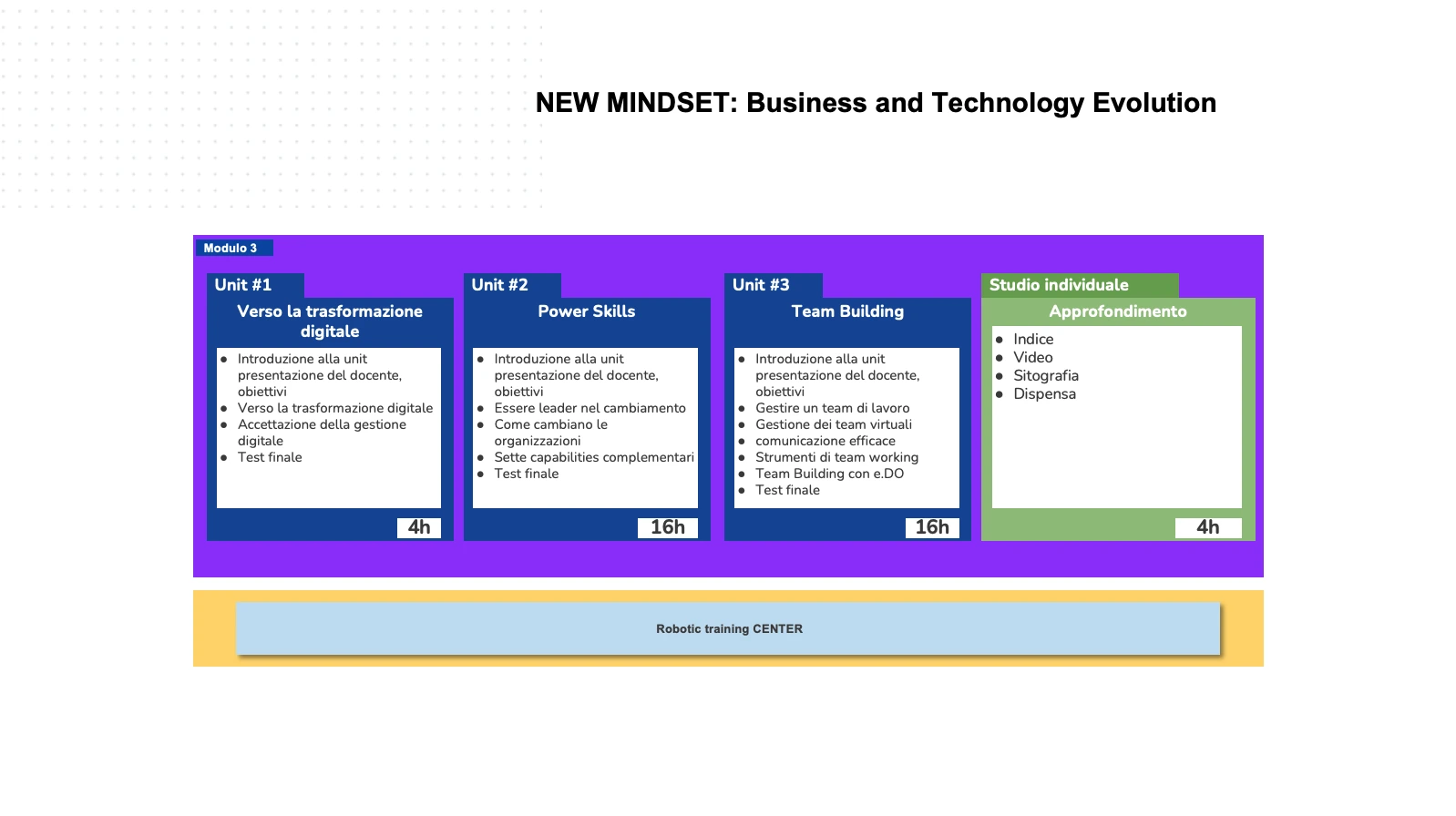
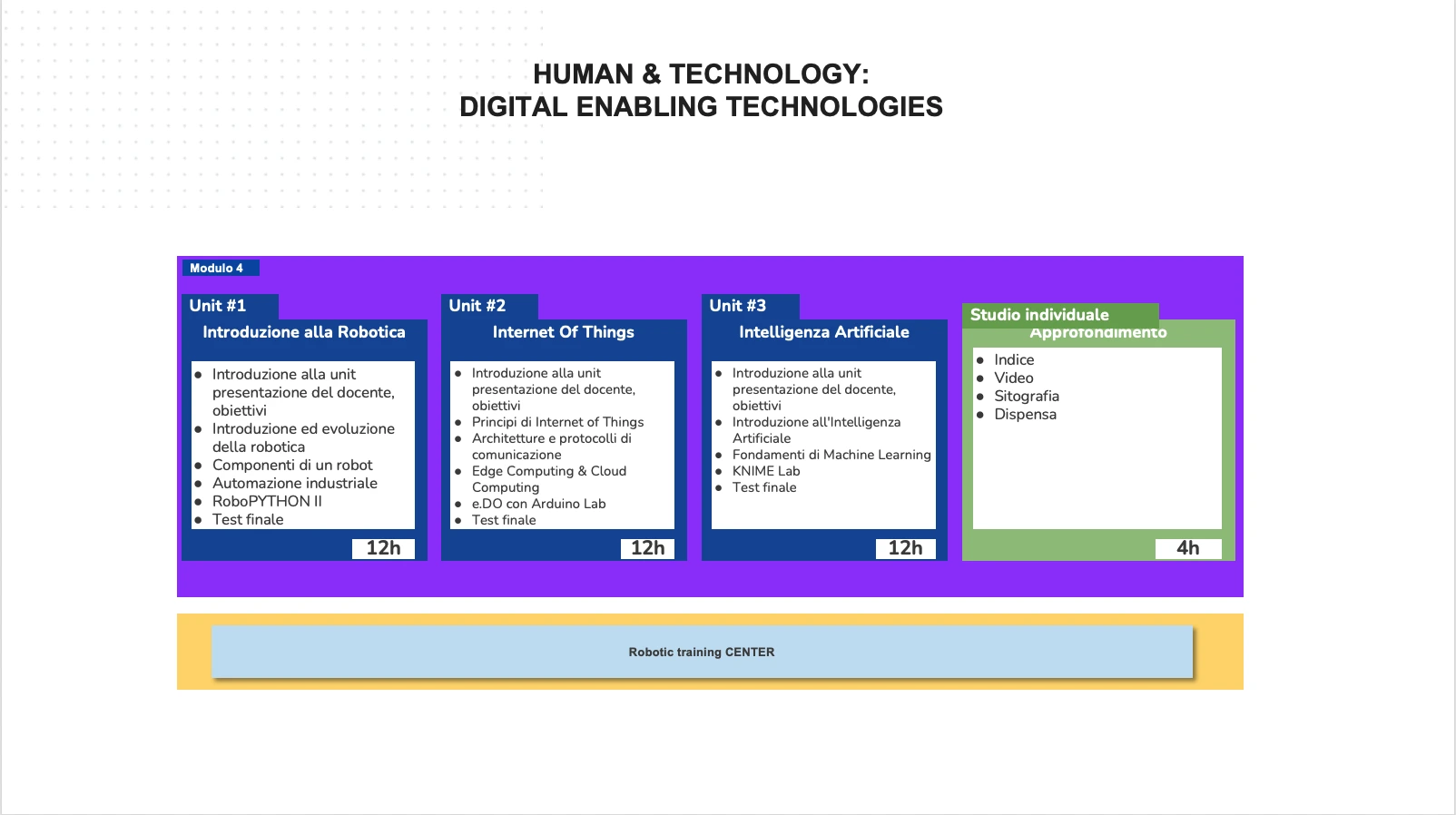
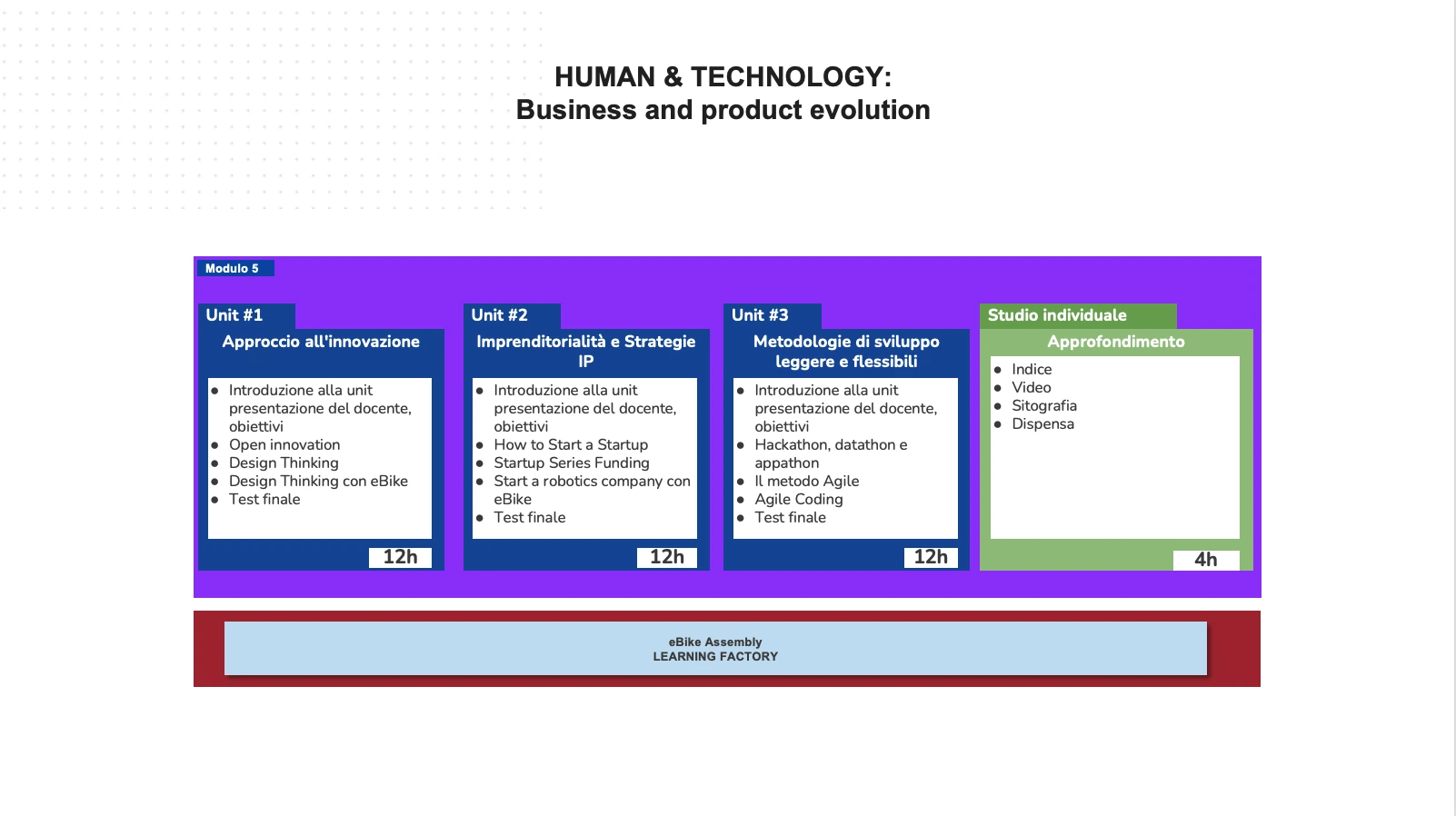
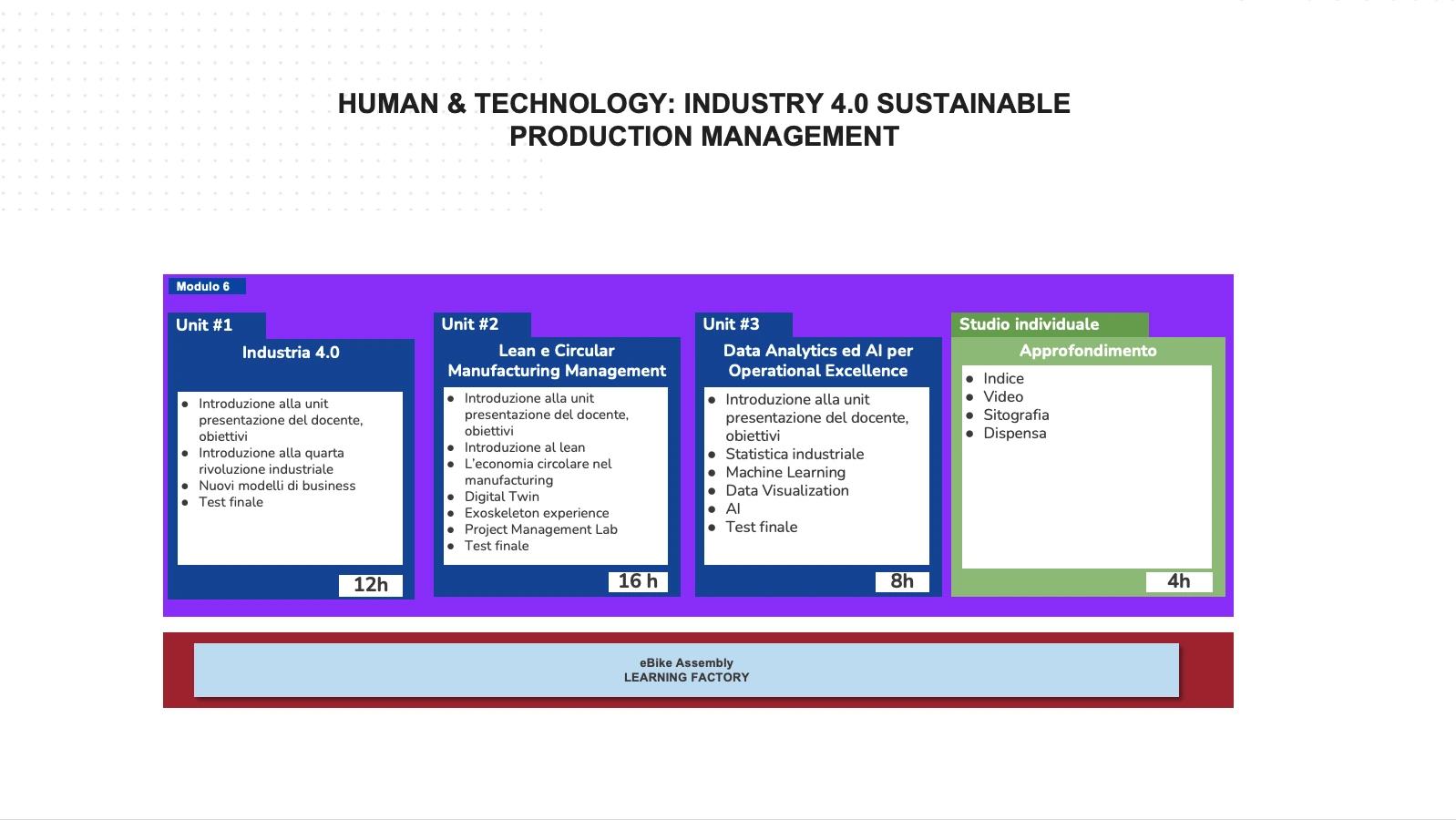
- Industry 4.0 and Sustainable Production Management (40 hours)
- Digital Enabling Technologies (40 hours)
- Business and Product Innovation (40 hours)
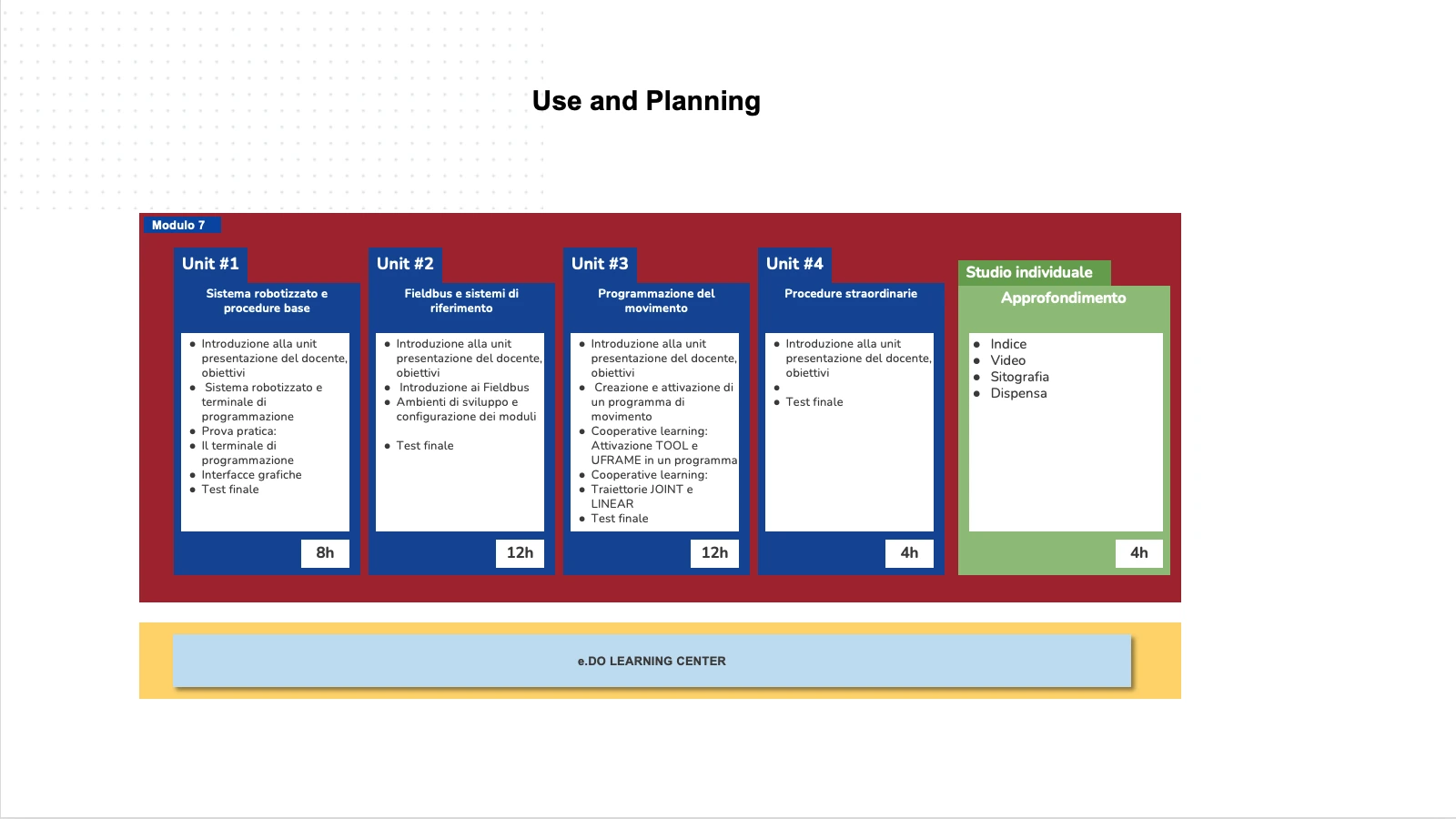
- COMAU e.DO Robot Programming and Operation (40 hours)
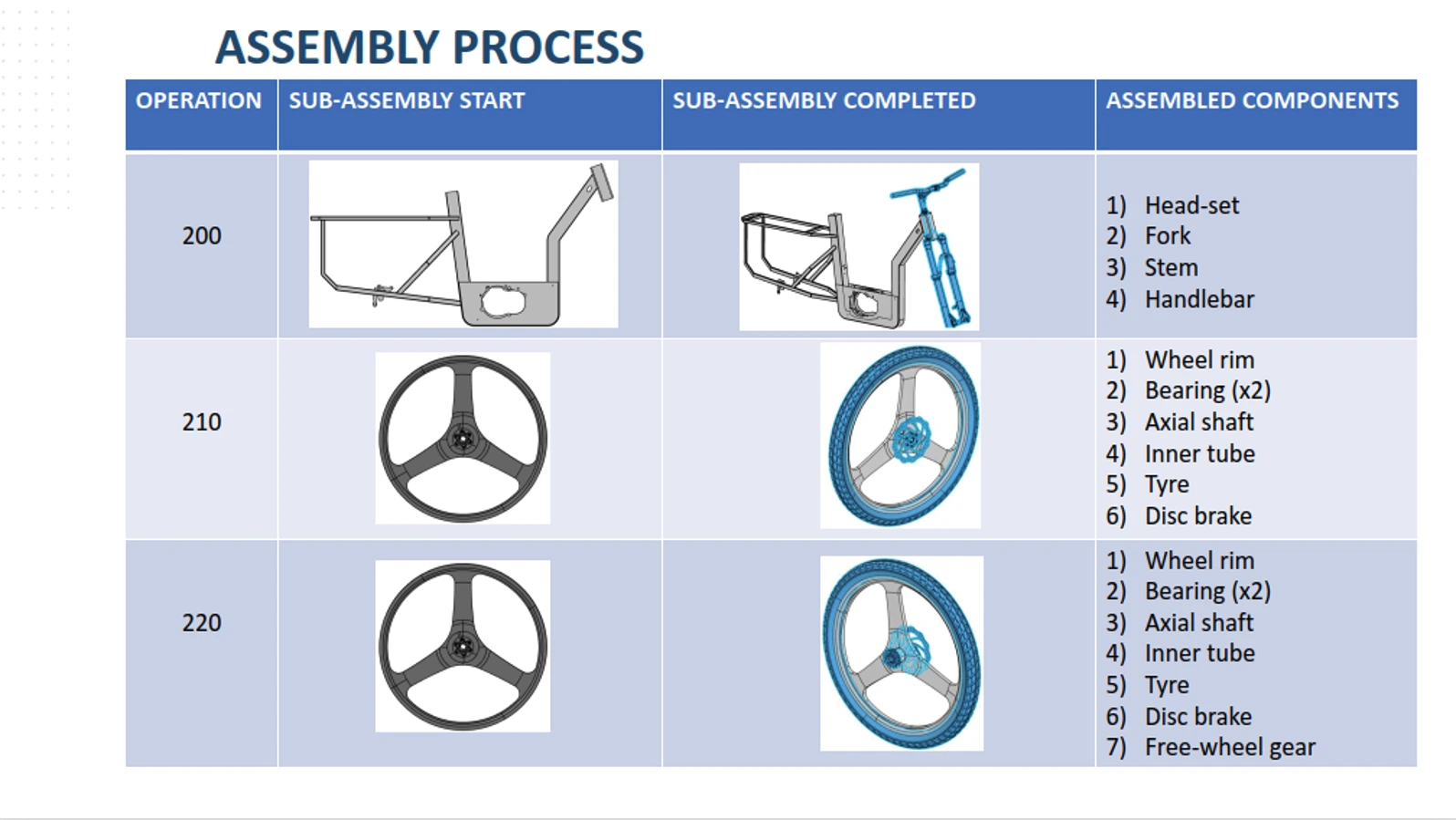
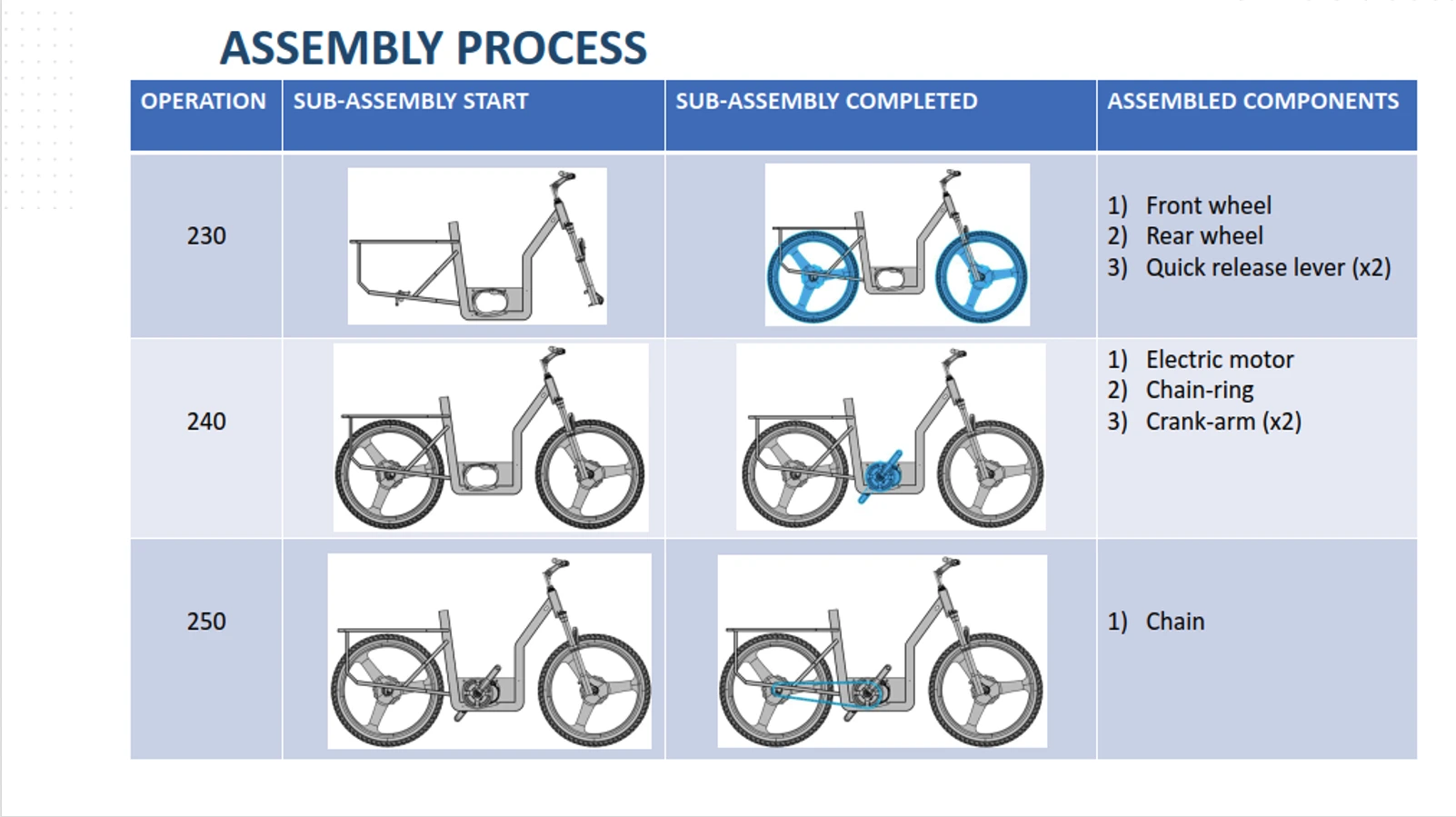
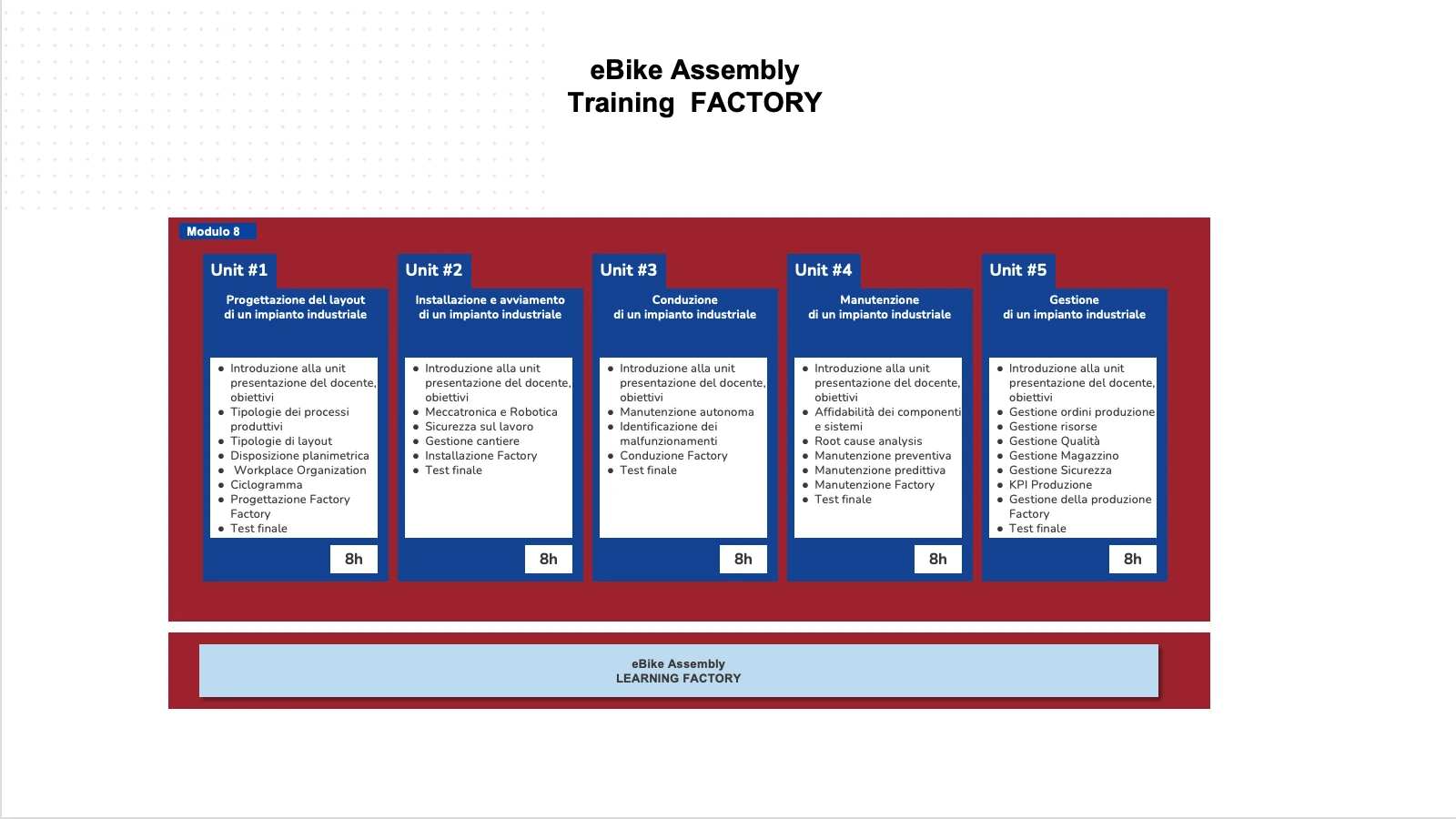
- eBike Assembly Learning Factory (40 hours)
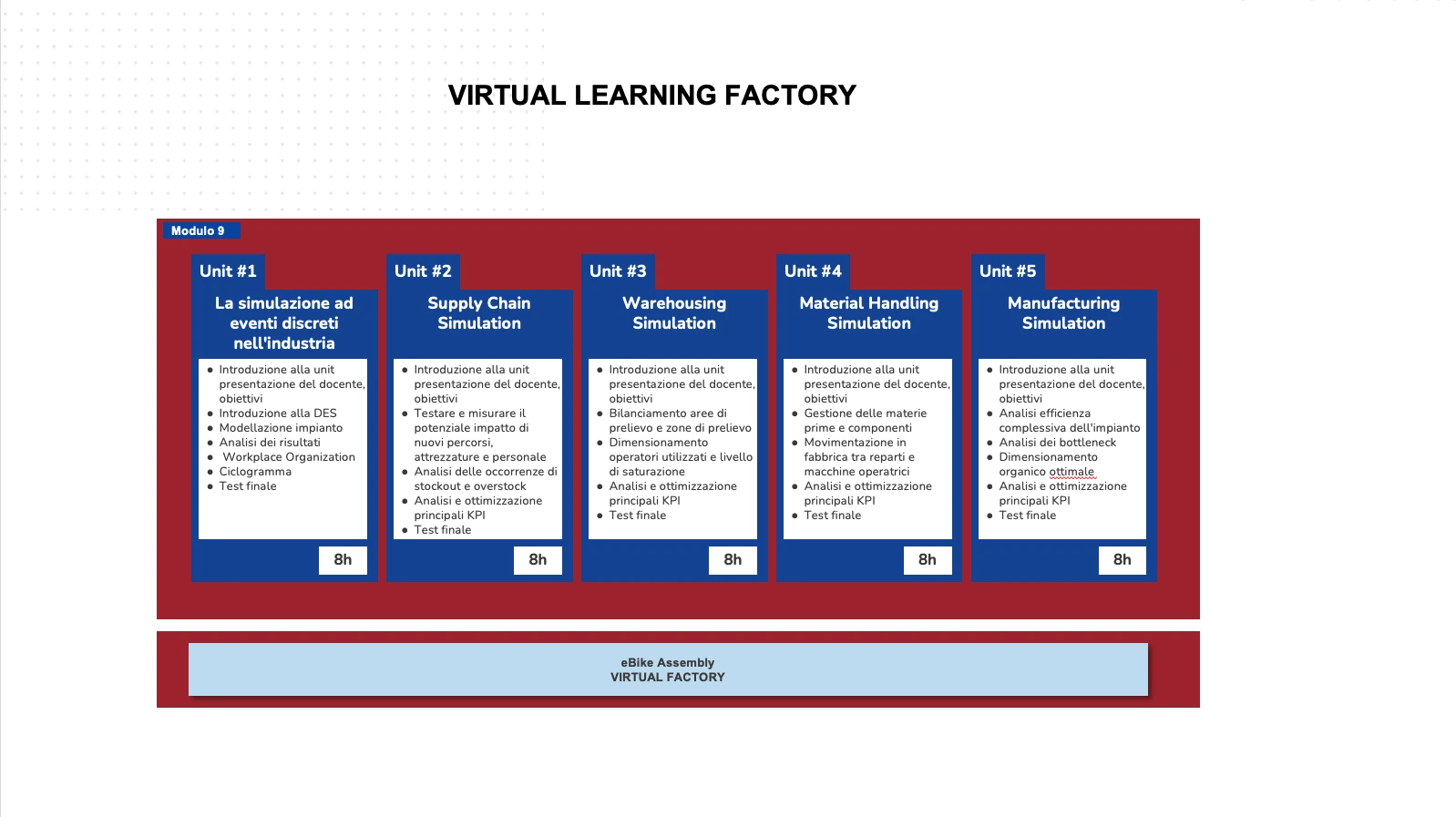
- Virtual Learning Factory (40 hours)
Each module balances theoretical learning with extensive practical experience, enabling trainees to apply their knowledge directly to real-world manufacturing processes.
Laboratory Layout and Equipment:
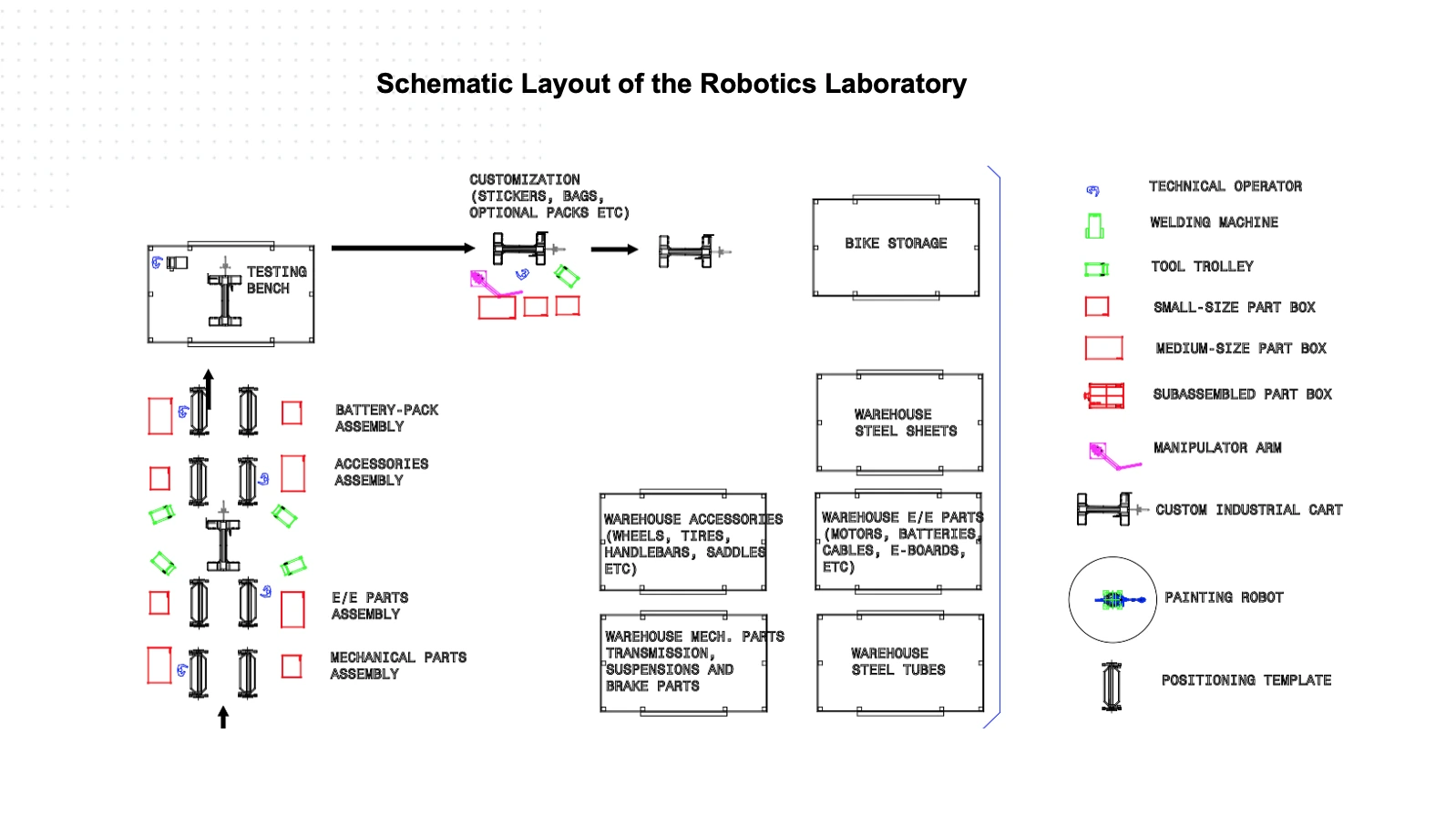
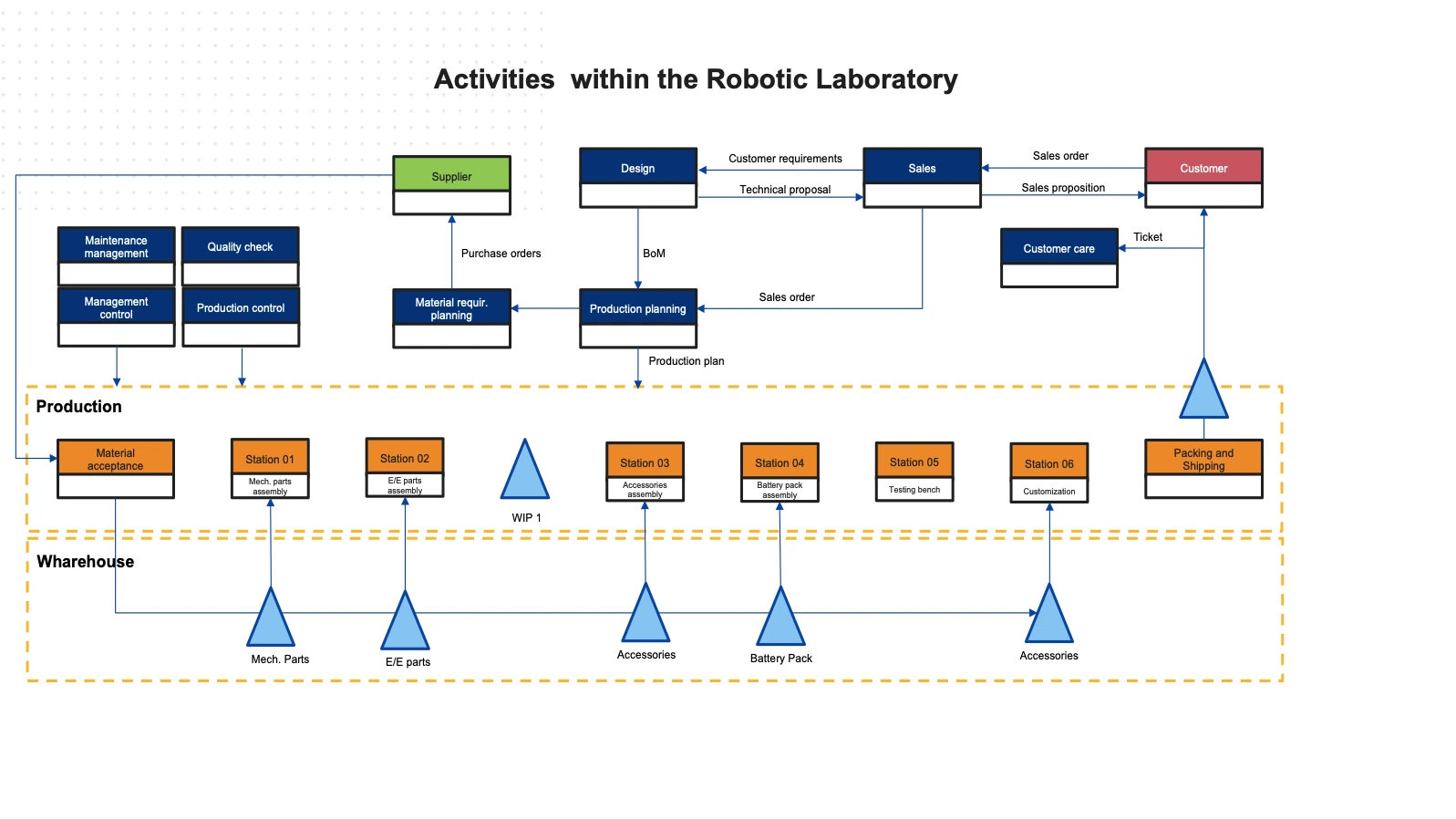
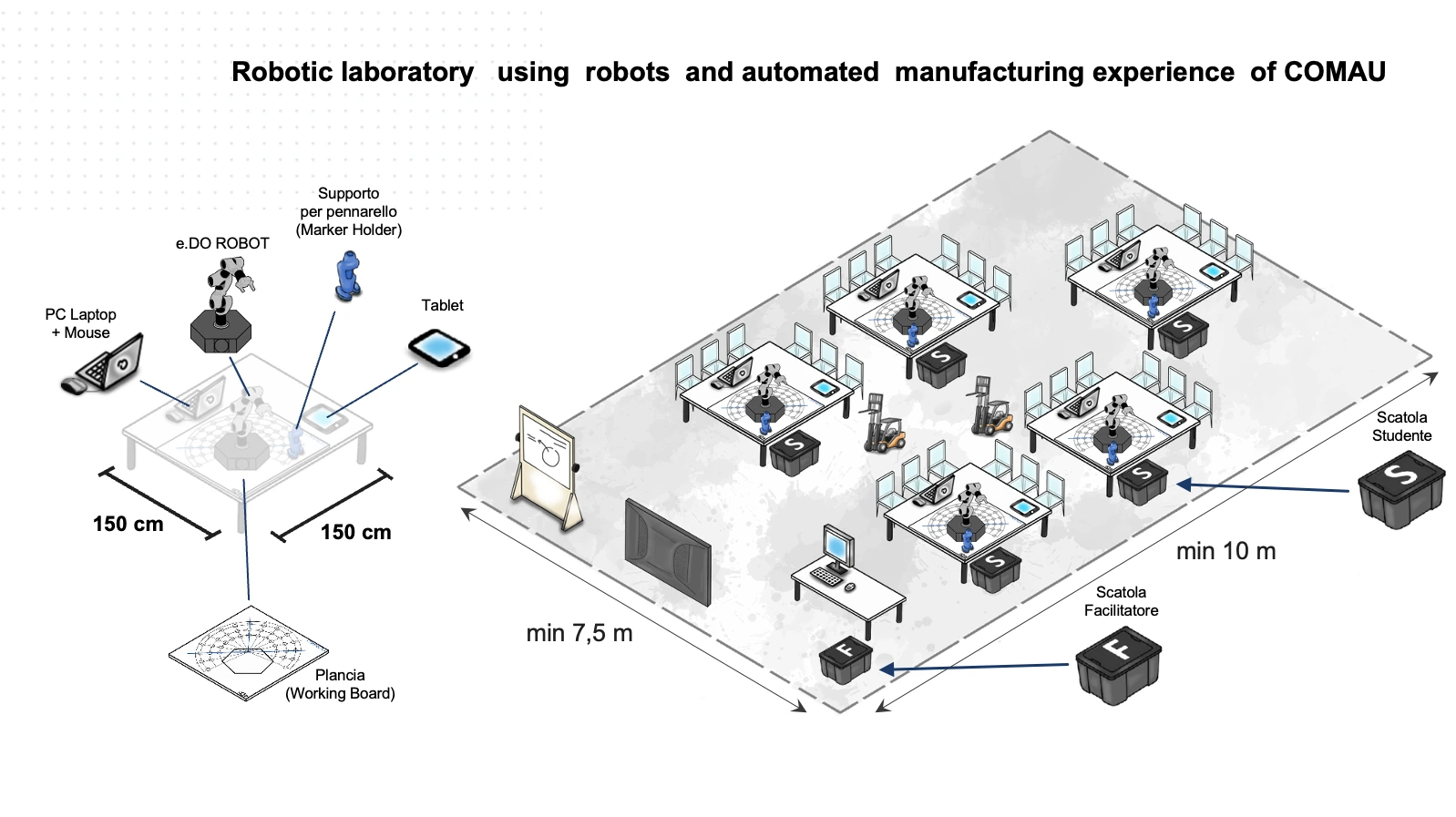
The laboratory setup will closely resemble an actual industrial manufacturing site and will include:
- COMAU e.DO robotic systems and automation equipment
- Specialized workstations for assembly and maintenance
- Comprehensive IT infrastructure, including laptops, tablets, and relevant simulation and programming software
By closing the gap between education and industry requirements, the proposed MEM Robotics and Industry 4.0 Training Laboratory will significantly advance human capital development in Malta, effectively supporting the growth and innovation of the local electromobility sector and contributing broadly to economic development objectives.
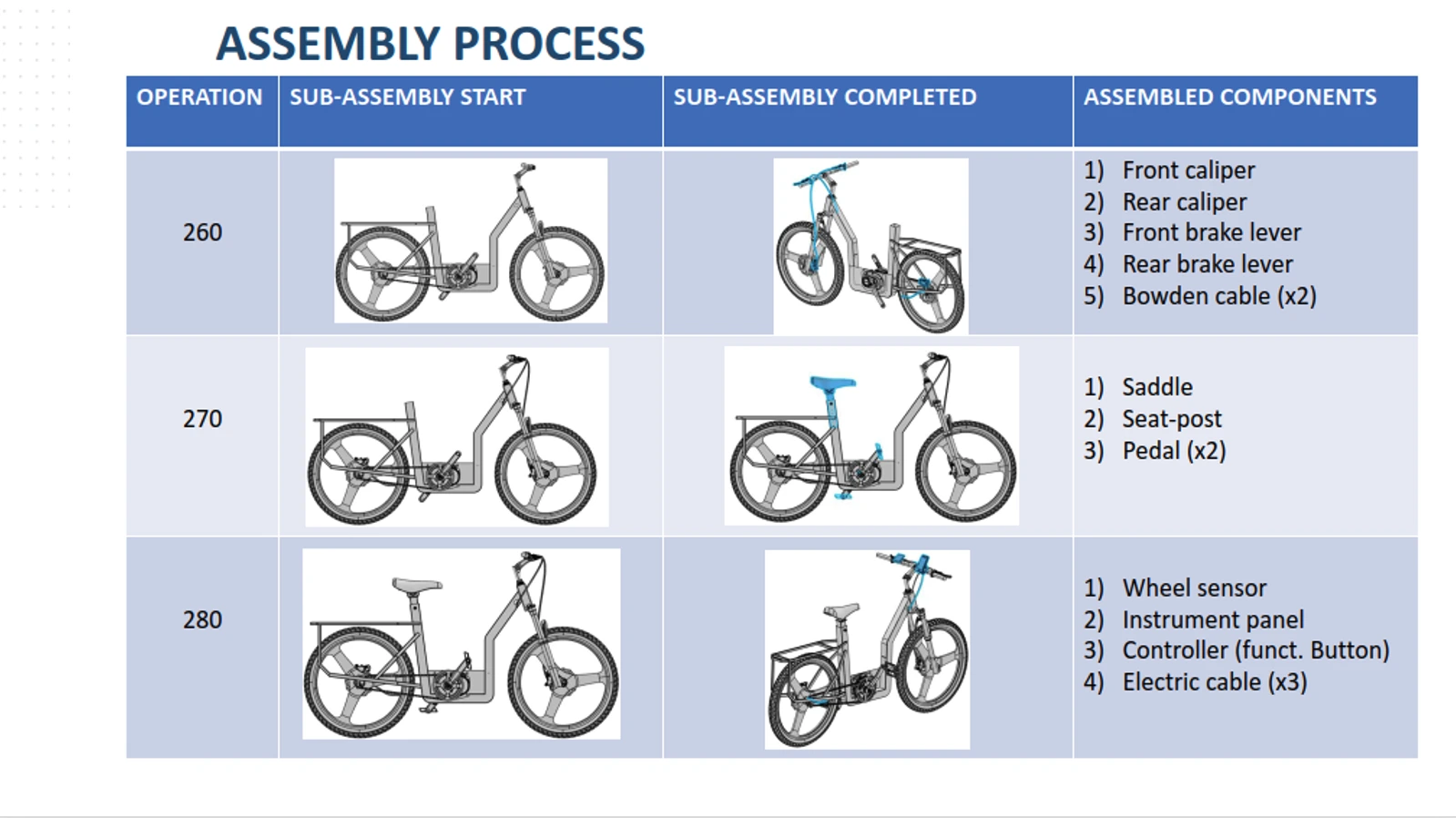
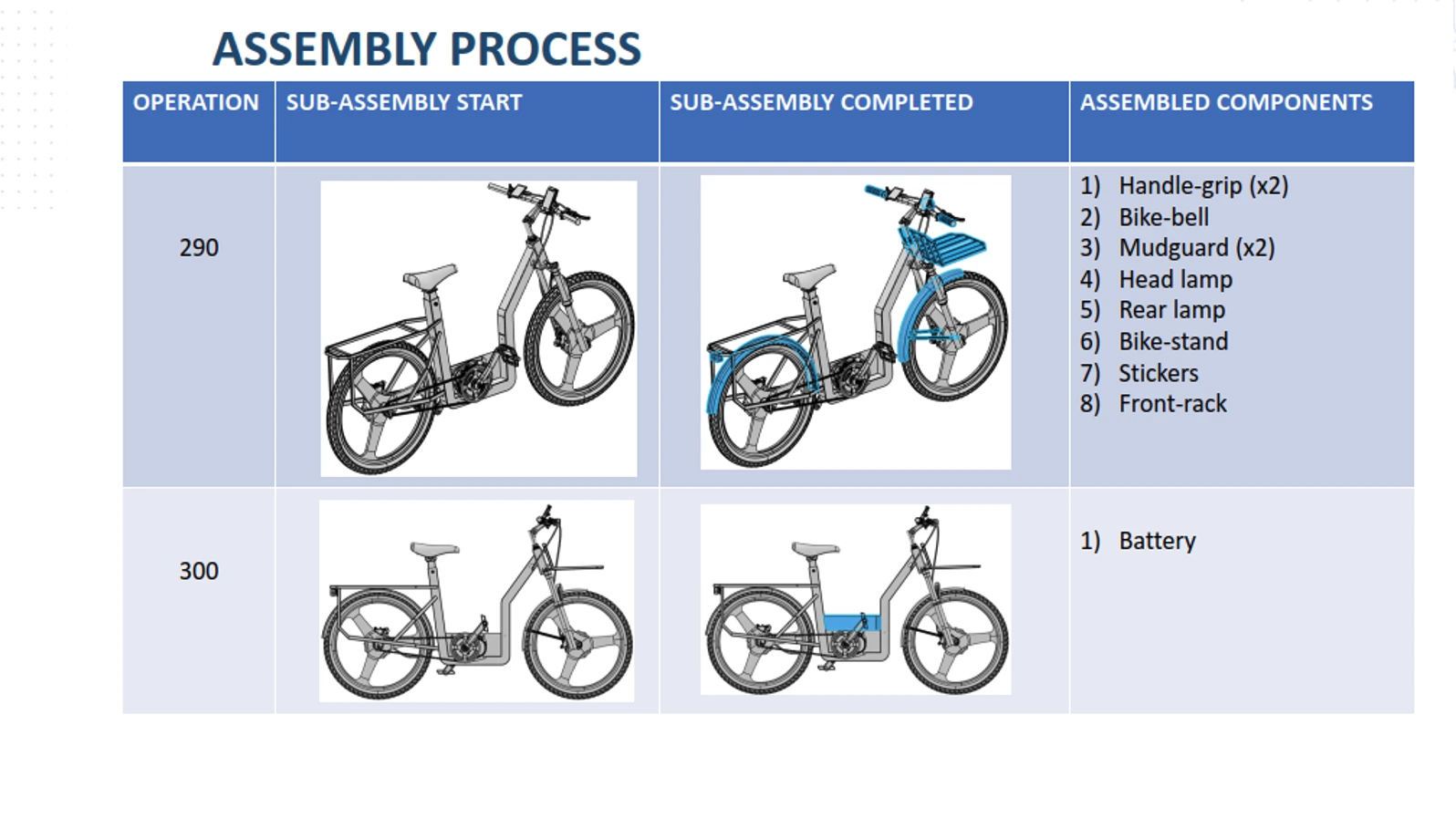
The presentation detailing the Robotic laboratory concept
for the manufacturing of e-bikes is shown in the following slides